
Thermal window
Process development may support soldering below 170°C, but final settings depend on equipment, flux, cell and acceptance criteria.
ANDY · INDEPENDENT OVERSEAS SALES CONTACTPersonally operated business-development channel
This site is personally operated by Andy, Sales Manager, to introduce public product information from Jiangsu Yansheng Photoelectric New Material Co., Ltd. and collect overseas technical inquiries. This is not the company's official website. Quotations, contracts, payments, invoices and shipment are valid only after formal company confirmation. No payment is accepted to a personal account.
PV RIBBON PLATFORM / HJT · 0BB · REDUCED HEAT INPUT
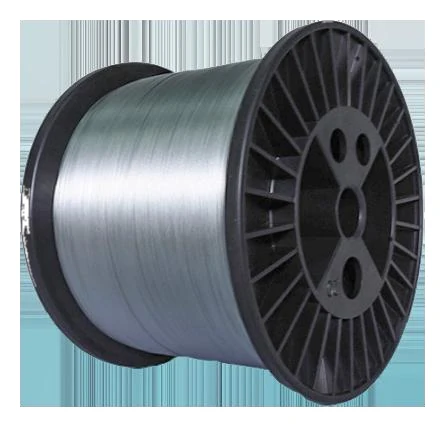
Sn–Pb–Bi alloy platforms developed for temperature-sensitive HJT and 0BB module processes where reduced thermal input and reliable wetting must be balanced.
APPLICATION FIT
Final material selection should connect module architecture, equipment behavior and acceptance criteria in one controlled specification.
ENGINEERING CONSIDERATIONS
Process development may support soldering below 170°C, but final settings depend on equipment, flux, cell and acceptance criteria.
Wetting and peel-force targets should be validated on the customer's real cell and stringer rather than inferred from alloy alone.
Approved alloy, coating, flux compatibility and trial settings should be frozen together before production release.
QUALIFICATION PATH
Use the customer's real cell, flux and production equipment to turn representative material data into an approved supply window.
TECHNICAL FAQ
No. Flux, equipment profile, cell metallization and throughput all affect the usable process window.
The material platform can support low-temperature development, subject to customer validation and the agreed qualification plan.
The starting point depends on the target thermal window, joint-strength requirement, flux and storage conditions. We recommend selecting through a controlled sample matrix.
READY FOR A CONTROLLED SAMPLE PROGRAM?